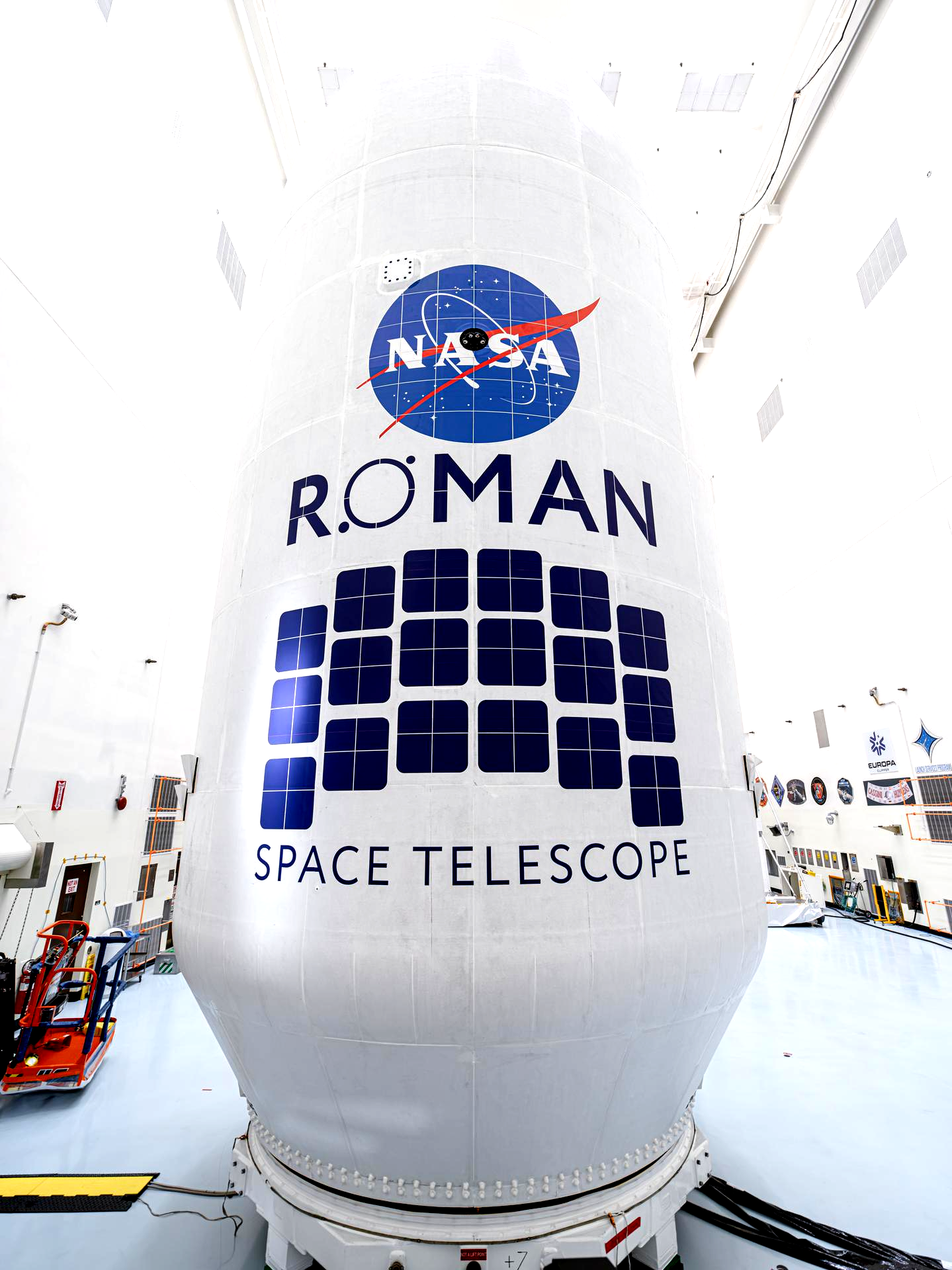


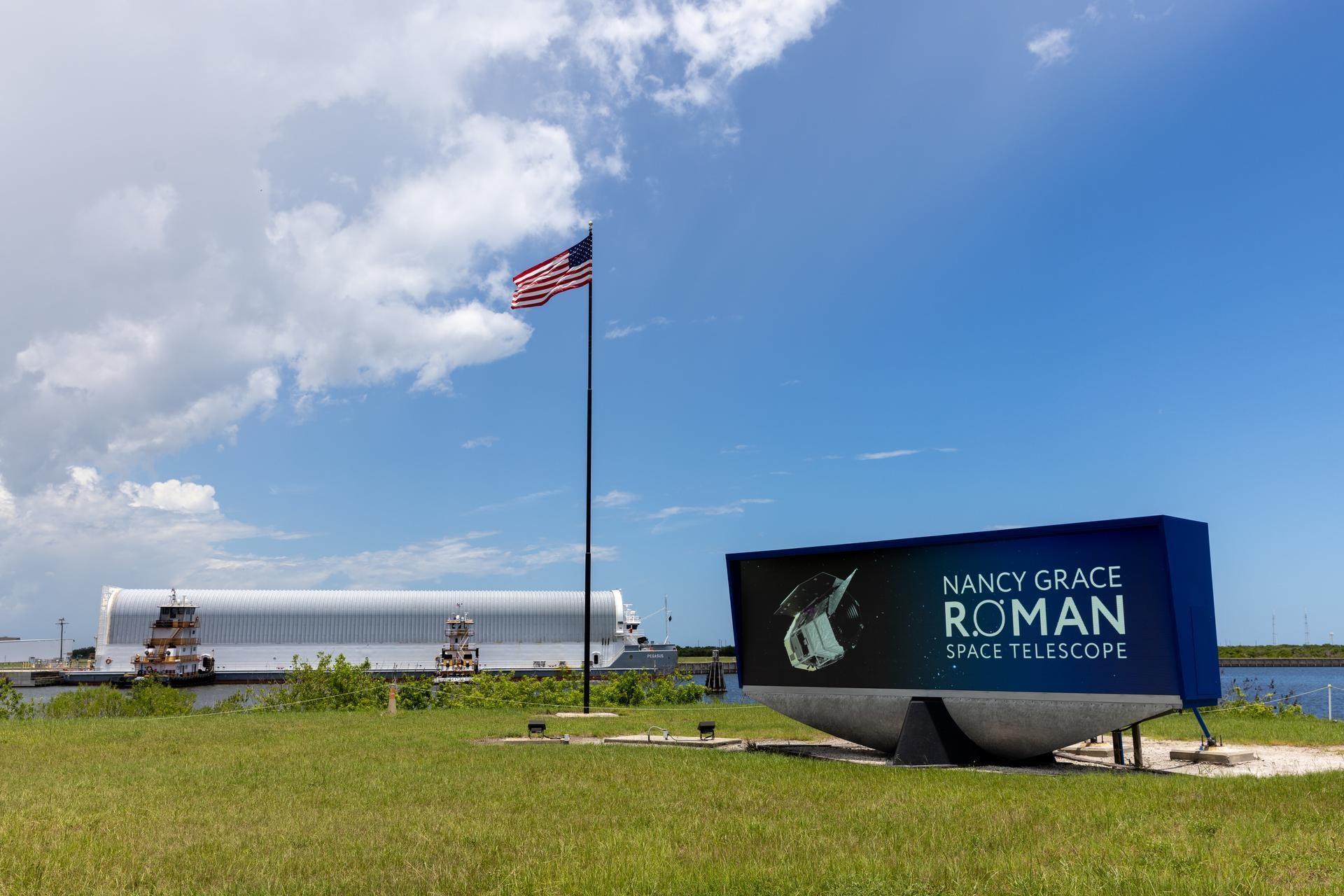
NASA is getting ready to launch the Nancy Grace Roman Space Telescope, and judging by the reactions, more than a few people have had the same question:
Wait. Nancy Grace has a space telescope? For a lot of people, the name Nancy Grace immediately brings to mind cable news. Courtrooms. Crime. Outrage. A strongly worded opinion delivered directly into the camera.
So why, exactly, would NASA name a telescope after her? They didn’t. Different Nancy Grace. And this Nancy Grace deserves to be known.
The telescope is named for Nancy Grace Roman, NASA’s first chief astronomer and a woman often called the “Mother of Hubble.” She joined NASA in 1959 and became the agency’s first chief of astronomy, helping establish space-based astronomy at a time when women weren't exactly being handed the keys to major scientific programs.
Now NASA is preparing to send a telescope bearing her name into space. And this telescope could fundamentally change how we see the universe.
We’ve all seen the incredible images from Hubble and the James Webb Space Telescope. Galaxies. Nebulas. Stars being born. Images that make you briefly contemplate the vastness of the universe before returning to an email about whether Tuesday at 2 works for everyone.
Roman is different. Think of Hubble and Webb as incredibly powerful zoom lenses. They can look deeply at relatively small portions of the sky. Roman is designed to go wide. Its field of view is about 100 times larger than Hubble’s, while still providing similarly sharp images. That means instead of studying one relatively small patch of the universe at a time, scientists can survey enormous areas of the sky.
Roman will help scientists study hundreds of millions of galaxies and look deeper into two things that make up most of our universe — yet remain largely mysterious: Dark matter and dark energy.
Dark matter appears to provide much of the invisible structure holding galaxies together. Dark energy appears to be driving the expansion of the universe faster and faster. We know they're there. We can see what they do. We just don't really know what they are.
Roman will map galaxies across huge stretches of space and time, giving scientists far more information to study how the universe has expanded and how its structure developed. But that's only part of the mission. Roman is also going planet hunting. Scientists have already discovered thousands of planets outside our solar system, known as exoplanets. Roman will search for thousands more, including planets that are difficult to find with current methods.
It could help answer one of those wonderfully enormous questions: How common are solar systems like ours?
Which brings us back to Nancy Grace Roman.
Roman joined NASA in 1959 and became its first chief of astronomy. She spent years championing the idea of putting powerful telescopes above Earth's atmosphere. That idea eventually helped lead to Hubble. She understood something important long before most of us were looking at spectacular space photos on our phones:
If you want to discover things you've never seen before, sometimes you have to build a completely new way of looking.
Hubble gave us extraordinary individual windows into the universe.
Webb lets us look extraordinarily deep into it.
Roman will let us look at the big picture.
And sometimes the big picture is where you finally notice the pattern.
Dig deeper into the Nancy Grace Roman Space Telescope with NASA.
Roman is set to launch August 30, 2026 at 07:26 am EDT on a SpaceX Falcon Heavy rocket from Launch Complex 39A at NASA's Kennedy Space Center in Florida.
Click Here For Launch Latest.